
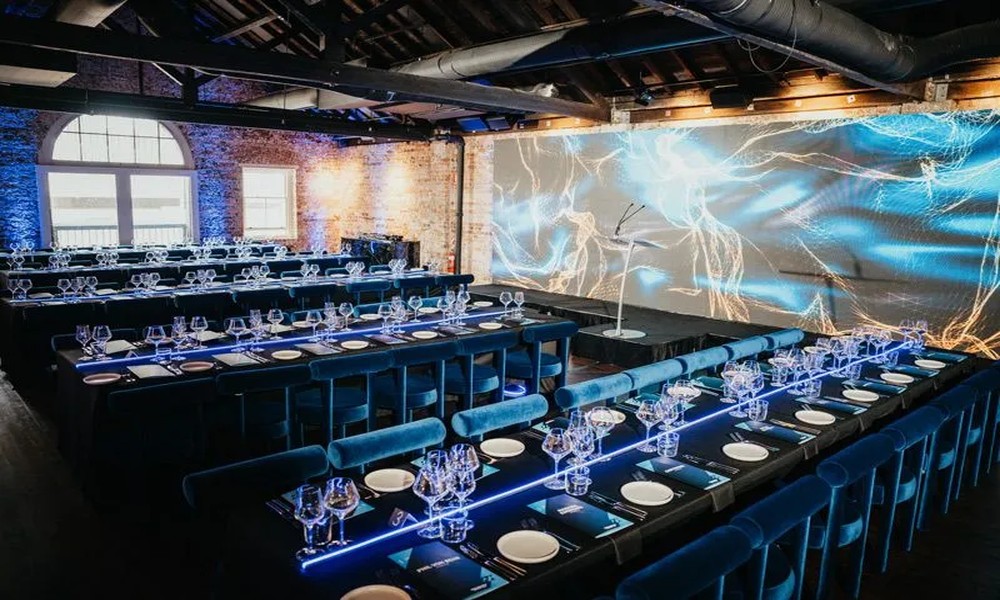
Corporate events have evolved far beyond simple presentations and conference room meetings. Modern businesses now focus on creating engaging and memorable experiences that leave a lasting impression on attendees. From product launches to annual conferences, companies are investing in technology-driven environments that capture attention and encourage interaction. This growing shift has increased the importance of audiovisual companies in delivering professional and immersive event experiences.
The Evolution of Corporate Events
Traditional corporate events once relied heavily on speeches, printed materials, and basic stage setups. While these methods served their purpose, they often lacked the excitement needed to fully engage audiences. Today’s attendees expect visually dynamic presentations, crystal clear sound systems, interactive displays, and seamless digital integration.
As expectations continue to rise, businesses are turning to advanced event production techniques to create environments that feel more interactive and memorable. Modern event spaces now include large LED screens, synchronized lighting, digital graphics, projection mapping, and live streaming capabilities that transform ordinary venues into captivating experiences.
Creating Strong Visual Impact
Visual presentation plays a major role in audience engagement. Large-scale video walls, high-resolution displays, and creative stage lighting immediately capture attention and help reinforce brand messaging. Professional event production teams carefully design visual elements that align with the goals of the event while maintaining a polished and cohesive appearance.
Many audio visual companies specialize in combining lighting, graphics, and multimedia content to create visually immersive settings. Dynamic transitions, branded visuals, and synchronized displays help audiences stay focused and emotionally connected throughout the event.
These visual enhancements are especially important during product launches and corporate presentations where businesses want to make a strong impression on clients, investors, and industry professionals.
Enhancing Audience Engagement
Corporate audiences are more likely to stay engaged when events feel interactive rather than passive. Event technology now allows attendees to participate through live polls, interactive presentations, digital Q and A sessions, and social media integration.
Interactive features encourage communication between presenters and audiences while making events feel more personalized. Instead of simply listening to speakers, attendees become active participants in the overall experience.
Immersive engagement also includes carefully managed sound systems that ensure every presentation, video, or performance can be heard clearly across the venue. High-quality audio improves concentration and prevents distractions that can negatively impact the attendee experience.
Supporting Hybrid and Virtual Experiences
One of the biggest changes in the event industry has been the growth of hybrid and virtual events. Businesses now regularly connect audiences across multiple locations using live streaming technology and digital event platforms.
Professional production teams help ensure smooth communication between in-person and remote attendees. Multiple camera angles, professional sound mixing, real-time broadcasting, and virtual presentation tools help create a seamless experience regardless of location.
The ability to reach wider audiences has made hybrid events an essential part of corporate communication strategies. Companies can now host global conferences, training sessions, and product demonstrations while maintaining consistent quality and engagement.
Strengthening Brand Identity
Corporate events are often designed to reflect a company’s identity and values. Every visual element, from stage design to lighting colors, contributes to how attendees perceive the brand.
Professional event production teams help businesses create environments that support brand storytelling. Customized visuals, branded presentations, and coordinated multimedia content strengthen brand recognition while creating emotional connections with audiences.
This attention to detail helps organizations stand out in competitive industries where memorable experiences can influence customer relationships and business partnerships.
Improving Event Efficiency
Behind every successful corporate event is careful planning and technical coordination. Event production involves managing equipment, timing, sound checks, video synchronization, and troubleshooting potential technical issues before they affect attendees.
Experienced production professionals ensure that presentations transition smoothly, lighting changes occur at the right moments, and all digital systems operate efficiently throughout the event. This level of preparation reduces stress for event organizers while helping speakers and performers focus on their roles.
Reliable technical support also minimizes disruptions that could negatively impact the audience experience.
Conclusion
Corporate events continue to evolve into highly interactive and visually engaging experiences that combine technology, creativity, and communication. Businesses now recognize the importance of creating memorable environments that hold audience attention and strengthen brand impact.
As event expectations continue to grow, audiovisual companies remain essential in transforming traditional gatherings into immersive experiences that connect with audiences on a deeper level. Through innovative production techniques, advanced technology, and strategic event design, modern corporate events are becoming more engaging, dynamic, and impactful than ever before.