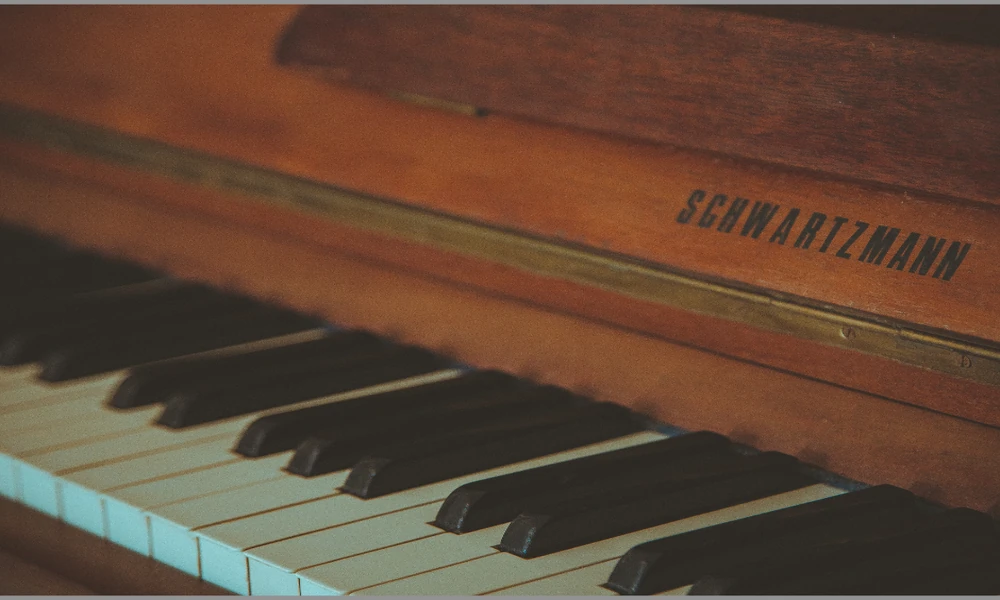
Starting the journey of learning to play the piano is an exciting endeavor. Whether you are an adult finally pursuing a lifelong dream or a parent enrolling your child in their very first music lessons, the initial enthusiasm is palpable. You buy the beginner method books, set up a dedicated practice schedule, and find the perfect teacher. However, there is one critical element that is frequently overlooked by eager beginners: the physical condition of the instrument itself.
Many beginners start their musical journey on an old family heirloom or a second-hand piano acquired from an online marketplace. Often, these instruments haven’t been professionally serviced in years, if not decades. While it might seem practical to wait and see if the student “sticks with it” before investing in maintenance, practicing on an out-of-tune piano can actually sabotage the learning process.
Here are five compelling reasons why a perfectly tuned piano is absolutely essential for accelerating learning and ensuring a beginner’s long-term success.
1. Develops Accurate Pitch Recognition (Ear Training)
Learning to play a musical instrument is as much about training the ears as it is about training the fingers. From the very first lesson, a beginner’s brain is hard at work building vital neural pathways. It learns to associate a specific physical action-striking a particular key-with a specific auditory result. This association is the bedrock of relative pitch and musical intuition.
When a piano is out of tune, it feeds incorrect auditory data to the brain. If a student repeatedly plays a Middle C, but the piano produces a sound that is noticeably flat or sharp, the brain internalizes that incorrect frequency as “C.” This fundamentally derails early ear training. A perfectly tuned piano ensures that the student absorbs the correct frequencies, allowing them to naturally develop a keen musical ear, recognize melodic intervals, and eventually play by ear with much greater ease.
2. Builds Musical Confidence and Prevents Frustration
Learning the piano requires a significant amount of patience, dedication, and repetition. Beginners are already grappling with the cognitive load of reading sheet music, coordinating both hands independently, and maintaining a steady rhythm. The ultimate reward for this hard work is the beautiful music they produce when they finally get all the notes right.
However, if the piano is out of tune, even a perfectly executed chord will sound harsh, dissonant, and unpleasant. For a beginner who doesn’t yet understand the acoustics of the instrument, this dissonance is incredibly discouraging. They often internalize the bad sound, assuming they are doing something wrong, which leads to deep frustration and a rapid drop in confidence. A tuned piano provides positive reinforcement; when the student plays the correct notes, they are rewarded with a rich, harmonious sound that motivates them to keep practicing.
3. Encourages Proper Technique and Expressive Playing
While tuning primarily affects the pitch of the strings, the overall harmonious resonance of a tuned piano greatly impacts how a student physically interacts with the keyboard. When an instrument sounds sour, “twangy,” or uneven, players will often subconsciously alter their technique to compensate for the unpleasant tones. They might press the keys too timidly to hide the dissonance or strike them too harshly out of frustration.
A piano that is in perfect tune produces clear, sustained, and balanced tones across the entire keyboard. This allows the beginner to focus entirely on developing proper finger weight, dynamic control (the ability to play softly and loudly), and musical phrasing. They learn to trust the instrument, which allows them to relax their hands, wrists, and arms, ultimately leading to better technique.
4. Facilitates Playing with Apps, Backing Tracks, and Teachers
Modern piano education rarely happens in isolation. Beginners today frequently use interactive learning apps, digital metronomes, and recorded backing tracks to make daily practice more engaging. Additionally, piano teachers will often play duets alongside their students to teach rhythm, tempo, and ensemble playing.
If a beginner’s piano has dropped in pitch-a highly common issue for instruments that haven’t been tuned in a long time-it will clash terribly with any external audio source. Playing along with a backing track becomes an unbearable cacophony rather than a fun exercise. Keeping the piano tuned to standard concert pitch (A=440Hz) ensures that the student can seamlessly integrate modern technology into their practice routine and enjoy harmonious duets with their instructor.
5. Cultivates a Respect for the Instrument and the Art
Finally, maintaining a tuned piano teaches a beginner a valuable, overarching lesson about musicianship: respect for the instrument. A piano is a complex, living machine made of wood, felt, and thousands of moving parts that constantly respond to their environment. Treating it as a valued tool rather than a piece of furniture sets a tone of professionalism and dedication to the craft.
When you invest in the sound of your instrument, you are directly investing in your own musical education. Before your child’s next lesson or before you crack open that new method book, taking the time to book a piano tuning near me is the single best way to set the stage for success. It shows the student that their musical journey is important and worthy of the right tools.
The initial stages of learning the piano are critical for establishing good habits and a lifelong love of music. Don’t let a neglected, out-of-tune instrument be the hurdle that causes a promising beginner to quit prematurely. By providing a perfectly tuned piano, you are giving the gift of proper ear training, boosted confidence, and a beautifully resonant foundation for their entire musical future.